
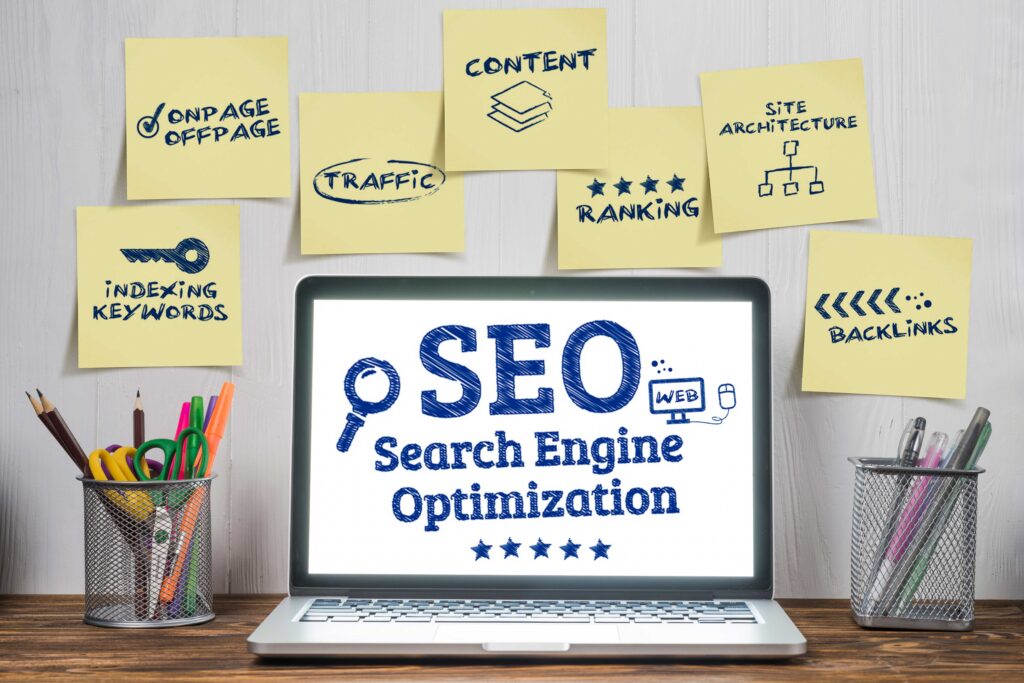
The Ultimate Guide to SEO in 2026: Improve Rankings and Drive Organic traffic
Introduction
Search Engine Optimization (SEO) remains one of the most effective digital marketing strategies for businesses, bloggers, and website owners. With billions of searches conducted every day, ranking higher on search engines like Google can significantly increase visibility, attract qualified traffic, and generate leads or sales.
SEO is the process of optimizing a website so that search engines can understand its content and present it to users searching for relevant information. A well-executed SEO strategy helps websites achieve sustainable growth through organic traffic rather than relying solely on paid advertising.
In this comprehensive guide, you’ll learn what SEO is, why it matters, and the key strategies that can help your website rank higher in search engine results pages (SERPs).
What Is SEO?
In today’s digital landscape, having a website is no longer enough to attract customers and grow a business. Millions of websites compete for attention on search engines every day, making visibility one of the biggest challenges for website owners. This is where Search Engine Optimization (SEO) becomes essential.
SEO is the process of optimizing a website to improve its rankings on search engines like Google, Bing, and Yahoo. When implemented correctly, SEO helps websites attract targeted visitors, increase brand awareness, and generate more leads and sales through organic search traffic.
As search engines continue to evolve, SEO has become more sophisticated than simply adding keywords to web pages. Modern SEO focuses on providing valuable content, excellent user experience, technical website optimization, and building authority online.
Understanding SEO and Its Importance
Search Engine Optimization is a digital marketing strategy designed to help websites appear higher in search engine results pages (SERPs). The higher your website ranks, the more likely users are to visit your site.Ultimate Guide to SEO will help to improve website reach.
Businesses invest in SEO because organic traffic is one of the most valuable sources of website visitors. Unlike paid advertising, organic rankings can continue generating traffic long after content has been published.
Why SEO Matters for Businesses
SEO provides long-term benefits that contribute to sustainable business growth.
Increased Website Visibility
When your website ranks on the first page of search results, more users discover your brand. Visibility directly impacts traffic, engagement, and conversions.
Higher Quality Traffic
SEO targets users who are actively searching for information, products, or services related to your business. This often results in higher conversion rates compared to other marketing channels.
Better User Experience
Modern search engines prioritize websites that provide a seamless experience. SEO improvements often lead to faster loading times, easier navigation, and more useful content.
Cost-Effective Marketing
Although SEO requires time and effort, it generally delivers a higher return on investment compared to many paid advertising methods.
How Search Engines Work
To understand SEO, it is important to know how search engines discover and rank websites.
Crawling
Search engines use automated bots called crawlers or spiders to scan websites across the internet. These bots follow links and discover new content.
Indexing
After crawling a webpage, search engines analyze the content and store it in a massive database called an index.
Ranking
When a user performs a search, search engines evaluate thousands of pages and rank them according to relevance, authority, quality, and user experience.
Understanding Search Intent
Search intent refers to the reason behind a user’s search query.
Informational Intent
Users seek information or answers.
Examples:
- What is SEO?
- How does SEO work?
Navigational Intent
Users want to visit a specific website.
Examples:
- Facebook login
- Amazon homepage
Transactional Intent
Users intend to make a purchase or complete an action.
Examples:
- Buy running shoes online
- SEO services near me
Commercial Investigation
Users are comparing options before making a decision.
Examples:
- Best SEO tools
- Top digital marketing agencies
Understanding search intent helps create content that matches user expectations.
Keyword Research: The Foundation of SEO
Keyword research is one of the most important aspects of SEO. It helps identify the search terms your audience uses when looking for information online. Ultimate Guide to SEO helps in many matters.
What Are Keywords?
Keywords are words and phrases that users type into search engines.
Examples include:
- SEO guide
- Technical SEO
- Local SEO strategies
Types of Keywords
Short-Tail Keywords
Short-tail keywords consist of one or two words and typically have high search volume.
Examples:
- SEO
- Marketing
- Blogging
Long-Tail Keywords
Long-tail keywords are longer and more specific search phrases.
Examples:
- Best SEO practices for small businesses
- How to improve Google rankings
These keywords often have lower competition and higher conversion rates.
How to Conduct Keyword Research
Analyze Search Volume
Choose keywords that receive consistent search traffic.
Evaluate Competition
Identify keywords with achievable ranking opportunities.
Consider User Intent
Focus on keywords that align with your content goals and audience needs.
Use Keyword Research Tools
Popular tools include:
- Google Keyword Planner
- Ahrefs
- SEMrush
- Moz
- Ubersuggest
On-Page SEO Best Practices
On-page SEO involves optimizing elements directly on your website.
Creating High-Quality Content
Content remains one of the strongest ranking factors.
Focus on User Value
Content should solve problems, answer questions, and provide useful information.
Create Comprehensive Articles
Long-form content often performs well because it covers topics in greater depth.
Update Existing Content
Regular updates help maintain accuracy and relevance.
Optimizing Title Tags
Title tags are among the most important on-page SEO elements.
Best Practices for Title Tags
- Include primary keywords
- Keep titles under 60 characters
- Make titles engaging and clickable
Writing Effective Meta Descriptions
Meta descriptions influence click-through rates.
Characteristics of Strong Meta Descriptions
- Include target keywords
- Clearly describe page content
- Encourage users to click
Using Header Tags Correctly
Proper heading structure improves readability and SEO.
H1 Tag
Used for the main page title.
H2 Tags
Used for major sections.
H3 Tags
Used for subsections.
H4 Tags
Used for supporting details within H3 sections.
Internal Linking Strategy
Internal links help users and search engines navigate your website.
Benefits of Internal Linking
- Improves page authority distribution
- Enhances crawling efficiency
- Increases time spent on site
- Supports topic relevance
Technical SEO Essentials
Technical SEO focuses on improving website performance and crawlability.
Website Speed Optimization
Page speed is a confirmed ranking factor.
Ways to Improve Speed
- Compress images
- Minify CSS and JavaScript
- Enable browser caching
- Use a content delivery network (CDN)
Mobile-Friendly Design
Most searches now occur on mobile devices.
Mobile SEO Best Practices
- Responsive design
- Fast loading pages
- Easy-to-read text
- User-friendly navigation
Website Security
Security plays an important role in both user trust and SEO.
HTTPS Implementation
Websites should use SSL certificates to secure user data.
XML Sitemaps
An XML sitemap helps search engines discover important pages.
Benefits of XML Sitemaps
- Faster indexing
- Better crawl efficiency
- Improved website visibility
Fixing Crawl Errors
Broken pages and server errors can negatively impact rankings.
Common Technical Issues
- 404 errors
- Redirect chains
- Duplicate content
- Missing metadata
Off-Page SEO Strategies
Off-page SEO refers to activities performed outside your website.
Building High-Quality Backlinks
Backlinks remain one of the strongest ranking signals.
What Makes a Good Backlink?
- Relevant website
- High authority domain
- Natural placement
- Contextual relevance
Effective Link Building Methods
Guest Posting
Publishing content on reputable websites can generate valuable backlinks.
Digital PR
Newsworthy content can attract media coverage and links.
Resource Page Outreach
Contact websites that maintain useful resource pages.
Broken Link Building
Replace outdated links with your own relevant content.
Brand Authority and Online Reputation
Search engines evaluate overall brand credibility.
Ways to Improve Authority
- Publish expert content
- Earn media mentions
- Build strong social proof
- Showcase industry expertise
Local SEO for Businesses
Local SEO helps businesses attract nearby customers.
Optimizing Google Business Profile
A complete business profile improves local visibility.
Essential Information to Include
- Business name
- Address
- Phone number
- Business hours
- Website URL
Local Keyword Optimization
Target location-based search terms.
Examples:
- SEO agency in Dubai
- Restaurant near Downtown Dubai
- Best dentist in Abu Dhabi
Managing Customer Reviews
Reviews influence both rankings and customer trust.
Review Best Practices
- Encourage satisfied customers to leave reviews
- Respond professionally
- Address negative feedback constructively
Local Citations
Citations are mentions of your business information across the web.
Benefits of Citations
- Improve local authority
- Increase trust signals
- Strengthen local rankings
Content Marketing and SEO
Content marketing and SEO work together to drive organic growth.
Creating Content Clusters
A content cluster consists of related articles connected through internal links.
Benefits of Topic Clusters
- Improved topical authority
- Better user experience
- Enhanced keyword rankings
Blog Content Strategy
Publishing consistent, valuable content helps attract search traffic.
Popular Blog Content Types
- Tutorials
- Guides
- Industry news
- Case studies
- Expert insights
Evergreen Content
Evergreen content remains relevant for extended periods.
Examples of Evergreen Content
- Beginner guides
- How-to articles
- Industry fundamentals
- Educational resources
Measuring SEO Performance
Tracking SEO performance is essential for continuous improvement.
Key SEO Metrics
Organic Traffic
Measures visitors arriving from search engines.
Keyword Rankings
Tracks position changes for target keywords.
Click-Through Rate (CTR)
Shows how often users click your search listings.
Bounce Rate
Measures how quickly users leave your website.
Conversion Rate
Tracks completed goals such as purchases or inquiries.
SEO Analytics Tools
Google Analytics
Provides detailed website traffic insights.
Google Search Console
Monitors search performance and indexing issues.
Ahrefs
Offers backlink and keyword analysis.
SEMrush
Provides comprehensive SEO reporting and competitive research.
Conducting Regular SEO Audits
SEO audits help identify opportunities and issues.
Areas to Audit
- Technical SEO
- Content quality
- Backlink profile
- User experience
- Mobile performance
Future Trends in SEO
Search engine optimization continues to evolve alongside technology.
Artificial Intelligence in Search
AI-powered algorithms are becoming increasingly effective at understanding user intent and content quality.
Voice Search Optimization
Voice searches continue to grow through smartphones and smart devices.
Voice Search Best Practices
- Use conversational language
- Target question-based keywords
- Optimize for featured snippets
User Experience Signals
Search engines increasingly reward websites that prioritize user satisfaction.
Important UX Factors
- Fast loading speeds
- Mobile responsiveness
- Easy navigation
- Helpful content
E-E-A-T Principles
Experience, Expertise, Authoritativeness, and Trustworthiness remain critical ranking considerations.
Building E-E-A-T
- Demonstrate industry expertise
- Publish accurate information
- Cite credible sources
- Build a strong online reputation
Conclusion
SEO is a powerful long-term strategy for increasing website visibility, attracting qualified traffic, and growing your online presence. By combining keyword research, high-quality content, technical optimization, link building, and user-focused design, businesses can achieve sustainable search engine success.
While SEO requires ongoing effort, the rewards are substantial. Websites that consistently provide value to users and follow SEO best practices are more likely to rank higher, generate leads, and outperform competitors in search results.
Whether you’re a blogger, entrepreneur, or established business, investing in SEO is one of the smartest decisions you can make for long-term digital growth.
Follow us on http://www.webnomic.online

So, we discussed the Ultimate Guide to SEO
Follow us on http://www.instagram.com