
Best Marketing Strategy for Small Businesses in 2026
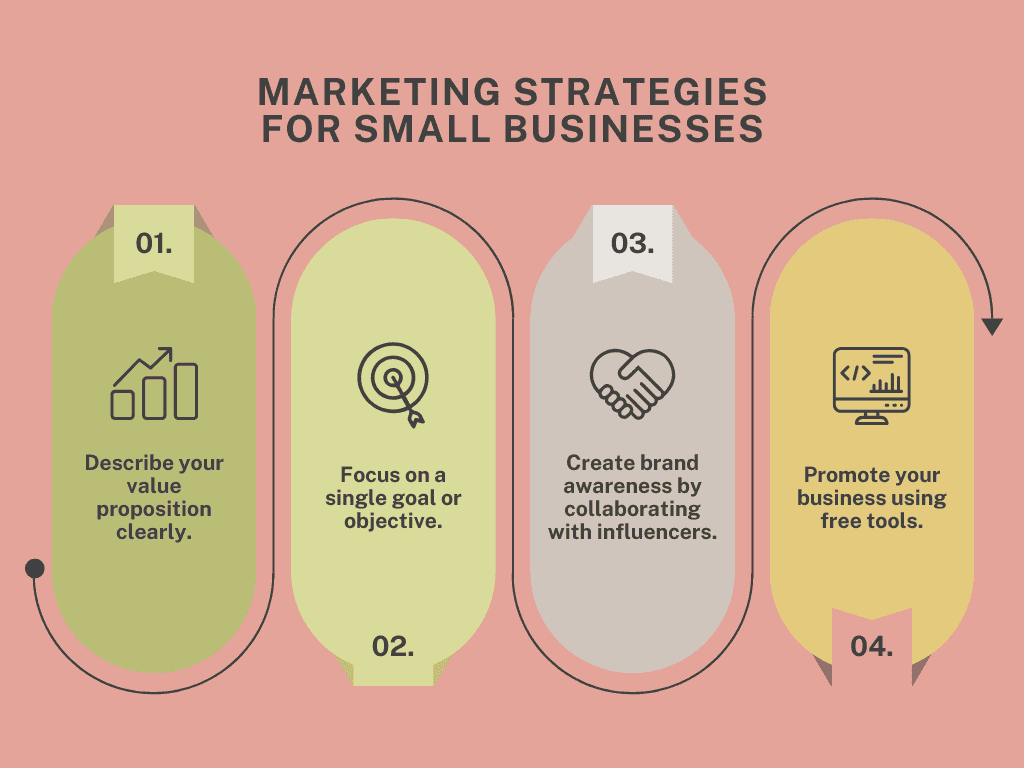
Finding the Best Marketing Strategy for Small Businesses is essential for attracting customers, increasing sales, and building a strong brand in today’s competitive marketplace. Every small business needs a well-planned approach to reach its target audience and stand out from competitors. The Best Marketing Strategy for Small Businesses focuses on creating meaningful customer relationships, improving brand visibility, and generating a steady flow of leads while maintaining a cost-effective budget.
The Best Marketing Strategy for Small Businesses combines several powerful marketing techniques, including digital marketing, social media engagement, content creation, local SEO, email marketing, and customer referral programs. By using a combination of these strategies, small businesses can maximize their reach and connect with potential customers at different stages of the buying journey.
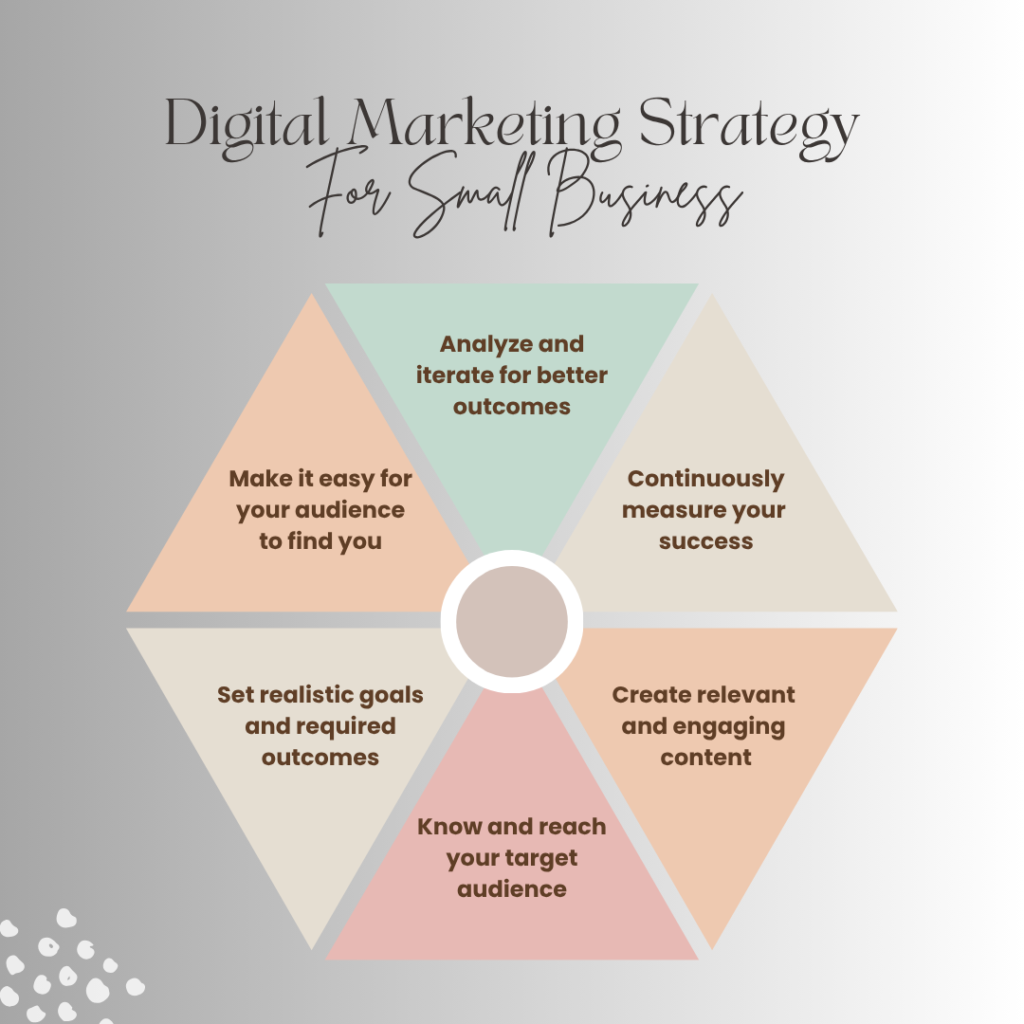
One of the key elements of the Best Marketing Strategy for Small Businesses is identifying the target audience. Understanding customer demographics, interests, behaviors, and challenges allows businesses to create personalized marketing campaigns that deliver value. Businesses should focus on producing high-quality content that answers customer questions, solves problems, and establishes credibility within their industry.
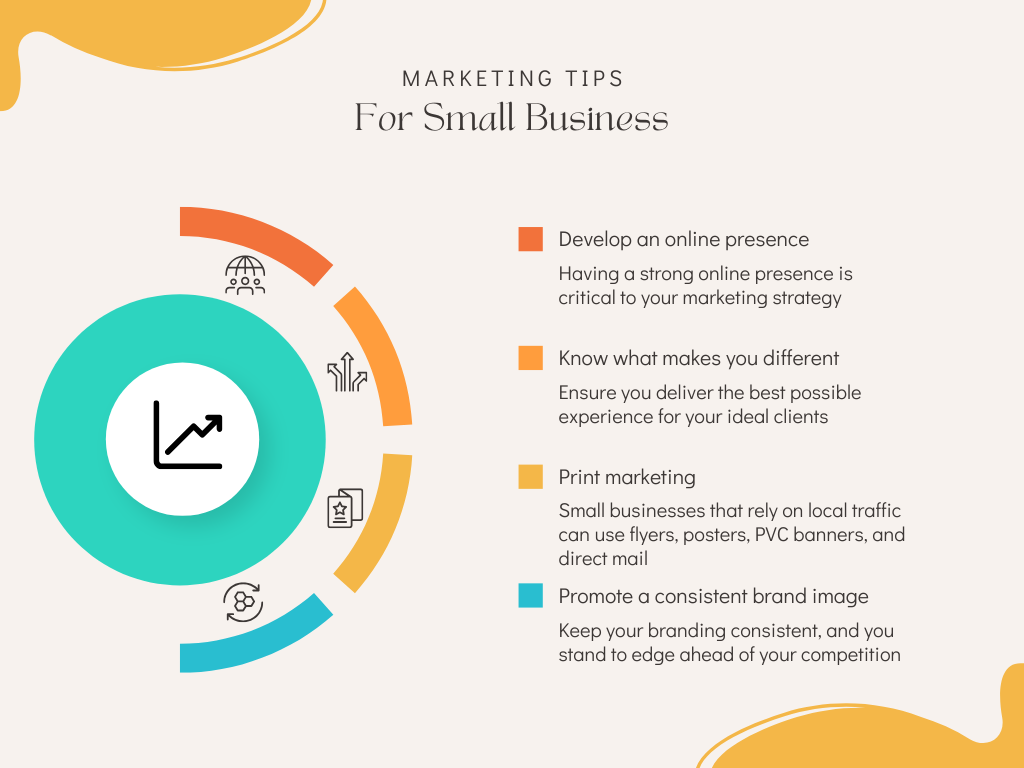
Social media platforms play a significant role in the Best Marketing Strategy for Small Businesses. Maintaining an active presence on platforms such as Facebook, Instagram, LinkedIn, and TikTok helps businesses engage with customers, showcase products or services, and build trust. Regular posting, responding to comments, and sharing valuable insights can significantly improve customer relationships and brand awareness.
Local SEO is another important component of the Best Marketing Strategy for Small Businesses. Optimizing a Google Business Profile, using location-based keywords, and encouraging satisfied customers to leave positive reviews can increase visibility in local search results. This helps small businesses attract nearby customers who are actively searching for their products or services.
Email marketing remains one of the most effective and affordable tools within the Best Marketing Strategy for Small Businesses. Sending personalized newsletters, promotional offers, and valuable updates helps nurture customer relationships and encourage repeat purchases. Consistent communication keeps the business top-of-mind and increases customer loyalty over time.
Digital marketing is at the core of the Best Marketing Strategy for Small Businesses in today’s online world. It enables businesses to reach larger audiences through search engine optimization (SEO), content marketing, social media marketing, paid advertising, and email campaigns. A successful digital marketing plan requires understanding customer needs, creating engaging content, and delivering consistent messaging across all channels.
Data analytics also plays a crucial role in the Best Marketing Strategy for Small Businesses. Tracking website traffic, conversion rates, customer engagement, and campaign performance allows businesses to make informed decisions and optimize their marketing efforts. By analyzing data regularly, small businesses can identify what works best and allocate resources more effectively.
Another important aspect of the Best Marketing Strategy for Small Businesses is adaptability. Marketing trends, consumer preferences, and digital technologies continue to evolve. Businesses that stay updated with industry changes and adjust their strategies accordingly are more likely to achieve long-term success. Testing new marketing channels, refining campaigns, and embracing innovation can provide a competitive advantage.
Ultimately, the Best Marketing Strategy for Small Businesses is built on consistency, customer engagement, and continuous improvement. By combining strong digital marketing practices, local SEO, content creation, social media engagement, email marketing, and performance tracking, small businesses can attract new customers, increase revenue, and achieve sustainable growth in an increasingly competitive marketplace.
10 ways for best marketing strategy:
- Create a strong and memorable brand identity.
- Build a professional and user-friendly website.
- Optimize your business for local SEO and online searches.
- Use social media platforms to engage with customers.
- Develop valuable content through blogs, videos, and guides.
- Implement email marketing campaigns to nurture leads.
- Encourage customer reviews and testimonials.
- Leverage referral marketing to gain new customers.
- Run targeted online advertising campaigns.
- Monitor competitors and industry trends.
The key to achieving long-term success is understanding your audience and delivering value through every marketing effort. Whether it’s creating high-quality content, optimizing your website for search engines, engaging with customers on social media, or leveraging email marketing campaigns, every strategy should be focused on building trust and providing meaningful experiences. Businesses that prioritize customer needs are more likely to establish strong relationships and encourage long-term loyalty.
Why the Best Marketing Strategy for Small Businesses Matters
Digital marketing has become one of the most effective ways for businesses to reach their target audience, increase brand awareness, and drive sales. Whether you run a small business, startup, or established company, implementing the right digital marketing strategies can help you stay competitive and achieve long-term success.
Top 14 Elements of the Best Marketing Strategy for Small Businesses
- Clear Target Audience Identification
Understand who your ideal customers are, their needs, preferences, and purchasing behavior. - Strong Brand Identity
Create a memorable brand through consistent logos, messaging, colors, and values. - Professional Website
A user-friendly, mobile-responsive website serves as the foundation of your online presence. - Search Engine Optimization (SEO)
Optimize your website and content to rank higher in search engine results and attract organic traffic. - Content Marketing
Publish valuable blogs, videos, guides, and infographics that educate and engage your audience. - Social Media Marketing
Use platforms like Facebook, Instagram, LinkedIn, and TikTok to connect with potential customers. - Email Marketing Campaigns
Build and nurture customer relationships through personalized emails, newsletters, and promotions. - Local SEO Optimization
Improve visibility in local search results by optimizing business listings and collecting customer reviews. - Customer Reviews and Testimonials
Positive feedback builds trust and influences purchasing decisions. - Paid Advertising
Invest in Google Ads and social media advertising to reach targeted audiences quickly. - Customer Retention Strategies
Focus on loyalty programs, follow-up communications, and excellent customer service. - Data Analytics and Performance Tracking
Monitor website traffic, conversions, and campaign performance to make data-driven decisions. - Competitor Analysis
Study competitors’ strategies to identify opportunities and strengthen your market position. - Continuous Improvement and Innovation
Regularly update your marketing approach based on industry trends, customer feedback, and emerging technologies.
In 2026, navigating the best marketing strategy for small businesses is more important than ever as competition continues to grow across digital platforms. Small businesses must adopt innovative and cost-effective marketing techniques to attract customers, increase brand awareness, and drive sustainable growth.
A successful marketing strategy begins with understanding the target audience and their changing preferences. By leveraging data analytics and customer insights, businesses can create personalized campaigns that deliver relevant content and improve engagement. Digital marketing remains one of the most effective approaches, combining search engine optimization (SEO), social media marketing, email campaigns, and content marketing to reach potential customers.
Social media platforms provide valuable opportunities for businesses to connect with audiences, build trust, and showcase products or services. SEO helps improve website visibility in search engine results, making it easier for customers to discover businesses online. Content marketing, including blogs, videos, and informative articles, establishes credibility and encourages customer interaction.
Email marketing continues to be a powerful tool for nurturing leads and maintaining strong customer relationships. Regular communication helps businesses stay connected with existing customers while attracting new ones.
By continuously monitoring performance metrics and adapting to market trends, small businesses can optimize their marketing efforts. In 2026, a well-planned digital marketing strategy is essential for achieving long-term success and maintaining a competitive advantage.
Another major trend in 2026 is the shift toward authentic content. Consumers are more likely to trust real, unpolished smartphone videos than expensive, highly produced advertisements. Behind-the-scenes content, customer stories, product demonstrations, and quick tips can help humanize your brand and create stronger connections with your audience.
Artificial intelligence is also transforming digital marketing by automating repetitive tasks such as email campaigns, customer support, content scheduling, and data analysis. By using AI tools efficiently, small businesses can save time, reduce costs, and focus on building meaningful customer relationships.
At the same time, businesses should prioritize building owned marketing assets, especially email lists. Social media algorithms constantly change, reducing organic reach and making businesses dependent on third-party platforms. An engaged email list provides direct access to customers and offers greater control over communication and marketing efforts.
Ultimately, the best marketing strategy for small businesses in 2026 is not about reaching the largest audience. It is about creating genuine connections, building trust, and focusing on the channels that deliver measurable results. Quality engagement will outperform sheer volume in the years ahead.
In 2026, winning marketing strategy requires hyper-personalization powered by AI and data privacy compliance. Businesses must shift focus from broad, generic ads to hyper-localized visibility and conversational search optimization. Authenticity rules; unpolished, human-centric short-form videos and robust, first-party email lists are the highest-yielding assets for sustainable, long-term business growth.
Conclusion
Digital marketing continues to be one of the most powerful tools for businesses looking to grow their brand, connect with customers, and increase revenue in an increasingly competitive online environment. As technology evolves and consumer behavior changes, businesses must adopt flexible and effective digital marketing strategies to remain relevant and successful.
The key to achieving long-term success is understanding your audience and delivering value through every marketing effort. Whether it’s creating high-quality content, optimizing your website for search engines, engaging with customers on social media, or leveraging email marketing campaigns, every strategy should be focused on building trust and providing meaningful experiences.
Additionally, data-driven decision-making plays a crucial role in modern digital marketing. By analyzing campaign performance, tracking user behavior, and measuring results, businesses can identify opportunities for improvement and maximize their return on investment. Continuous learning and adaptation are essential, as digital trends, platforms, and algorithms are constantly changing.
It is also important to remember that successful digital marketing does not happen overnight. Consistency, patience, and a commitment to ongoing improvement are necessary for sustainable growth. Small, strategic actions taken regularly can produce significant results over time.
Ultimately, the best digital marketing approach combines creativity, technology, and customer-focused strategies. Businesses that invest in SEO, content marketing, social media engagement, email communication, and analytics will be better positioned to attract new customers and strengthen their market presence. By implementing these digital marketing tips and staying responsive to industry changes, businesses can build a strong online foundation, achieve their marketing goals, and create lasting success in the digital world.
Marketing strategies will focus more on AI-driven personalization, automation, and predictive analytics to understand customer behavior better. Short-form video content, voice search optimization, and immersive experiences like AR/VR will grow. Businesses will also prioritize data privacy, sustainability branding, and hyper-targeted campaigns to stay competitive in evolving digital markets.
Successful digital marketing requires a combination of audience understanding, valuable content, SEO, social media engagement, email marketing, data analysis, and continuous improvement. By applying these best digital marketing tips consistently, businesses can strengthen their online presence, attract more customers, and achieve sustainable growth in today’s digital landscape.
In conclusion, navigating the best marketing strategy for small businesses in 2026 requires a combination of digital innovation, customer-focused approaches, and data-driven decision-making. By leveraging SEO, social media, content marketing, and email campaigns, businesses can strengthen their online presence, attract new customers, and achieve sustainable growth. Continuous adaptation and strategic planning remain essential for long-term success.
Follow us for more updated articles http://www.webnomic.online
And in Social Platform http://www.instagram.com