

In today’s fast-paced digital world, businesses must adapt to evolving consumer behaviors and technological advancements to remain competitive. Digital marketing has emerged as a powerful tool that enables organizations to connect with their target audience, build brand awareness, and drive sustainable growth through strategic online channels.
From social media and search engine optimization to email campaigns and content marketing, digital marketing offers a wide range of opportunities to engage customers and generate measurable results. This blog explores how businesses can leverage digital marketing strategies to unlock their full potential, enhance customer relationships, and achieve long-term success in an increasingly digital marketplace.
Importance of Digital Marketing in Business
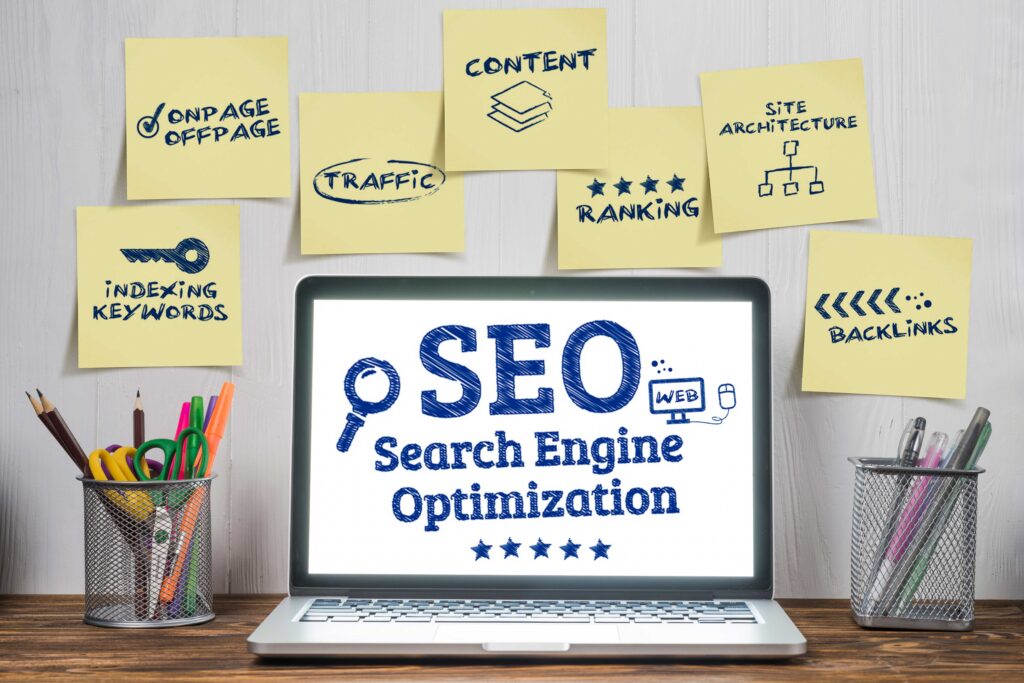
Importance of Digital Marketing in Business
In the modern business landscape, digital marketing has become an essential component of success. As consumers increasingly rely on the internet to research products, compare services, and make purchasing decisions, businesses must establish a strong online presence to remain competitive. Digital marketing provides organizations with the tools and strategies needed to reach their target audience effectively, build brand awareness, and drive business growth.
1. Expands Market Reach
Unlike traditional marketing methods, digital marketing enables businesses to connect with customers across geographical boundaries. Through websites, social media platforms, search engines, and email campaigns, companies can reach local, national, and global audiences, opening new opportunities for growth and expansion.
2. Cost-Effective Marketing Solution
Digital marketing offers a more affordable alternative to traditional advertising channels such as television, radio, and print media. Small and medium-sized businesses can achieve significant results with limited budgets by utilizing strategies like social media marketing, content marketing, and search engine optimization (SEO).
3. Enhances Brand Awareness
A strong online presence helps businesses increase their visibility and establish credibility among potential customers. Consistent engagement through social media, blogs, videos, and other digital platforms allows brands to communicate their values, showcase their expertise, and build lasting relationships with their audience.
4. Targets the Right Audience
One of the greatest advantages of digital marketing is its ability to target specific customer segments. Businesses can use demographic data, interests, online behavior, and purchasing patterns to deliver personalized marketing messages, increasing the likelihood of conversions and customer engagement.
5. Provides Measurable Results
Digital marketing platforms offer advanced analytics and reporting tools that allow businesses to track campaign performance in real time. Metrics such as website traffic, conversion rates, click-through rates, and customer engagement help organizations evaluate their marketing efforts and make data-driven decisions for continuous improvement.
6. Improves Customer Engagement
Digital channels create opportunities for direct interaction between businesses and customers. Through social media comments, live chats, emails, and online reviews, companies can respond to inquiries, address concerns, and build stronger customer relationships, leading to increased trust and loyalty.
7. Supports Business Growth and Competitiveness
Digital marketing has transformed the way businesses connect with customers, creating new opportunities for growth and innovation. Through channels such as social media, search engines, email marketing, and content marketing, businesses can reach targeted audiences more effectively and at a lower cost than traditional marketing methods. Data-driven insights enable companies to understand customer behavior, personalize campaigns, and improve return on investment. Additionally, digital marketing opens access to global markets, enhances brand visibility, and supports customer engagement in real time. By leveraging digital marketing strategies, businesses can unlock new revenue streams, strengthen customer relationships, and gain a competitive advantage in the digital economy.
